Thursday, June 20, 2019

Eating Strategies to Gain Weight

Eating Strategies to Gain Weight

Eating Strategies to Gain Weight

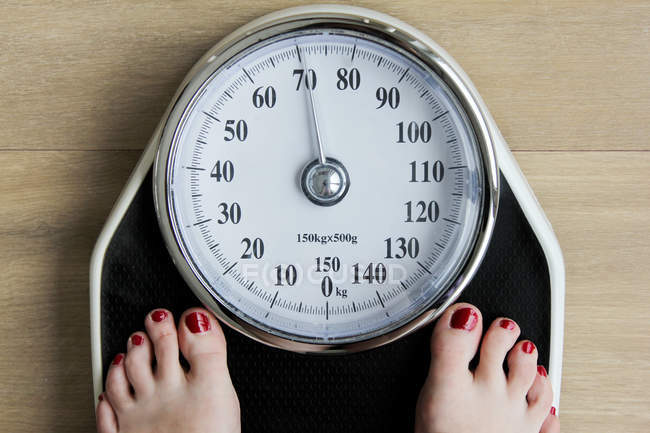
Image result for weight

It costs 3500 calories to gain one pound. That means, in order to gain one pound a week, you have to consume 500 extra calories every day. Here are some tips for getting those extra calories into your daily meal plan.


·   Eat frequently! -- Make time for 3 large meals and 2-3 hefty 
snacks every day.
·   Eat larger than normal portions at meals!
·      Eat higher calorie foods! -- Choose dried fruit, starchy vegetables, dense whole grain breads and cereals, hearty bean soups, nuts...· Add healthy unsaturated fats:  olive and canola oil, nuts, seeds, peanut butter,  avocados.·      Do resistance exercises! -- Weight training helps convert the extra calories into muscle rather than flab. Aim for 2-3 times per week.
·       Add lots of “extras” to food! -- Don’t eat anything plain.
·       Add healthy carbs and protein:  honey, jam, dried fruit, wheat germ, nonfat dried milk powder, soy protein powder.
·   Make beverages count! -- Drink shakes, milk, juice, etc. instead of water, coffee, tea,                                                       and diet sodas.

TRY THESE QUICK-N-EASY BREAKFAST IDEAS:

⇒ Whip together 2 cups fruit juice, 1 cup fresh, frozen or canned fruit, 1 cup yogurt, 1/4 cup dried nonfat milk powder, and 1/4 cup wheat germ or oat bran for a high energy liquid meal to go.
⇒ Spread peanut butter, honey, or jam on large bagels, muffins, hearty whole wheat bread/toast, graham crackers or stoned wheat crackers. Grab an extra large banana and wash it down with a tall glass of milk
⇒ Fill a plastic bag with raisins and nuts (trail mix) or your favorite dry cereal. Grab an 8 oz container of fruit yogurt and a couple cans/boxes of fruit juice.
⇒ Nontraditional ideas:
*   Heat up leftover pizza, pasta, or Chinese food from last night’s dinner.
*   Make a peanut butter and honey, grilled cheese, tuna, or turkey sandwich.
*   Pop a baked potato in the microwave for 5-10 minutes; top with chopped veggies             (frozen ones are quickest) and melted cheese, canned chili, or hearty bean soup.
*   Wrap vegetarian refried beans, shredded low fat cheddar cheese, and tomato salsa in a couple of flour tortillas.

TRY THESE QUICK-N-EASY SNACK IDEAS:
Related image

⇒Dry cereal: Wheat Chex, Shredded Wheat, Cheerios, Oat Squares, granola.
   NOTE: Add raisins or other dried fruits to boost the calories and carbs.
⇒ Pretzels: Naturally fat free. Look for reduced salt or salt-free varieties if you are watching your salt intake.
             Crackers: Stoned wheat, sesame, bran,                                   RyKrisp, or other low fat or fat free brands NOTE:  Spread with peanut butter or add slices of cheese to boost the calories and protein.

⇒ Bagels: The bigger the better. Look for whole wheat, pumpernickel, rye, or ones with seeds to
                  get the most nutrients. NOTE: Spread with peanut butter, honey, jam, or low fat         
                  cream cheese to boost the calories.
⇒ Fruits: Bananas, apples, oranges, grapes, or other fresh fruits. NOTE: Dried fruits (like  
                 raisins, apricots, and dates) are especially easy to pack and very calorie dense.
⇒ Nuts and seeds: Peanuts, pistachios, almonds, sunflower seeds and other nuts/ seeds are high 
                                in calories and good sources of protein, healthy monounsaturated fats,                                      vitamin E, and several other vitamins and minerals.
⇒ Sports bars, breakfast bars, and low fat granola bars: Prewrapped, very portable, and very tasty.

Friday, June 14, 2019

How to Gain Weight


Weight Gaining


To gain weight in the form of muscle, both a regular program of resistance training and an increase in caloric intake is necessary. Adding an extra 300 to 500 calories per day can lead to an increase of 1/2 to 1 pound of muscle weight per week.

In addition to increasing caloric intake, resistance training is beneficial for building muscle
mass and performing cardiovascular exercise for 20-30 minutes at least 3 days per week is  important for good health. Make sure to balance out any exercise with food in- take so weight is not lost in the process.The focus should be on energy- and nutrient- dense foods, or foods that are high in calories as well as high in vitamins and minerals. Additional calorie needs should be consumed by increasing one’s serving needs from each of the five food groups.

Nutrient Needs

Carbohydrates

Carbohydrates are the body’s main source of energy and are found mostly in grains like cereals, bread, rice and pasta, as well as fruits and vegetables. In addition to providing energy, carbohydrates fuel the brain and nervous system, preserve protein, aid in fat metabolism and provide fiber. About 50 - 60% of your daily intake should come from carbohydrates.

Fat

Fat is important because it provides energy, gives a feeling of fullness, provides the body with essential fatty acids, and is needed for various processes in the body like making hormones and cholesterol, absorption of fat soluble vitamins A, D, E, and K, and pad- ding the internal organs. About 20 - 30% of your daily calories should come from fat.

Protein


Protein helps to build and repair muscle tissue, produce hormones, boost the  immune  system, and re- place blood cells. Good sources of protein include meat, poultry, beans, milk, eggs, nuts and soy. About 15-20% of daily calories should come from protein. The recommendation for protein intake according to the RDA is 0.8 gm/kg of body weight for a normal diet. For intense strength training, the goal for protein intake should increase to 1.2 to 1.6 gm/kg of body weight. Too much protein in the diet can lead to osteoporosis due to calcium excretion in the urine with excess protein, strain on the liver, kidney stones, increased  fat storage and dehydration.

 Supplemental Caution


In many cases dietary supplements are unnecessary with a healthy diet. They can also  be expensive and cause possible harmful side effects. Remember that the term “natural” does not always imply safe. Look to see if the supplement has the label “USP” which indicates that the supplement meets standards of the U.S. Pharmacopeia for strength, purity, disintegration, and dissolution. Avoid supplements that provide “megadoses” of more than 100% the Daily Value. Store vitamin and mineral supplements in a dry, cool place and discard them once they’ve passed their expiration date. Also keep in mind that most  herbs and supplements are not evaluated by the Food and Drug Administration, so it is important to research the product’s ingredients before consuming

Calculating Protein Needs

To calculate protein needs, take your weight in pounds (lb) and convert it to kilograms (kg) by dividing by 2.2 and multi- plying your weight in kilograms by one of the factors below, according to your goal.
Activity Group
Amount of protein (gm/kg)
Healthy adult
0.8
Strength-train, maintenance
1.2-1.4
Strength-train, gain muscle mass
1.5-1.8
Endurance
1.1-1.4
Intermittent, high-intensity training
1.4-1.7
Weight-restricted
1.4-1.8
Ex. 160 pounds ÷ 2.2 lb/kg = 73 kg × 0.8 g/kg = 58 grams of protein


   Meal Ideas

  •     Add butter, peanut butter or jelly to bread products (i.e. toast, pancakes, bagel, etc.)
  •    Add sugar, whole milk or creamer to your coffee
  •    Use fuller fat dairy products like 2% or whole milk, regular cheese and yogurt               
  •    Use 2% or whole milk in soups, sauces, and cereals
  •    Add cheese, avocado, bacon regular fat condiments or salad dressings to sandwiches
  •    Add cheese, croutons, egg, avocado, nuts or meat to salads
  •    Add cheese and regular-fat condiments to sandwiches
  •    Add powdered milk to beverages and soups
  •    Add grated cheese and plain Greek yogurt to soups
  •    Drink 2% or whole milk, 100% juice, fruit smoothies, sports drinks, nutrition         supplements (i.e. Boost, Ensure), hot chocolate with 2% or whole milk
  • Use powdered or evaporated milk in casseroles to increase calories, calcium and protein

 Snack Ideas


  •       Crackers with cheese or peanut butter
  •     Peanut butter with apple, banana, or pretzels
  •     Hummus with pretzels or chopped veggies
  •     Yogurt with granola and berries
  •     Buttered popcorn with nuts
  •     Trail mix with nuts, dried fruit and chocolate chips
  •     String cheese and dried fruit
  •     Half peanut butter and banana sandwich
  •     Peanut butter and banana smoothies with vanilla yogurt
  •     Guacamole with tortilla chips
  •     Hummus with pita chips or veggies
  •     Cottage cheese and pineapple